Carol Lazar
Carol Lazar wrote a weekly column for the Johannesburg Sunday Express from 1979, and later for The Sunday Star. It ran for more than thirty years. These are twenty-two of them, from 25 March 1979 to 3 May 2001.
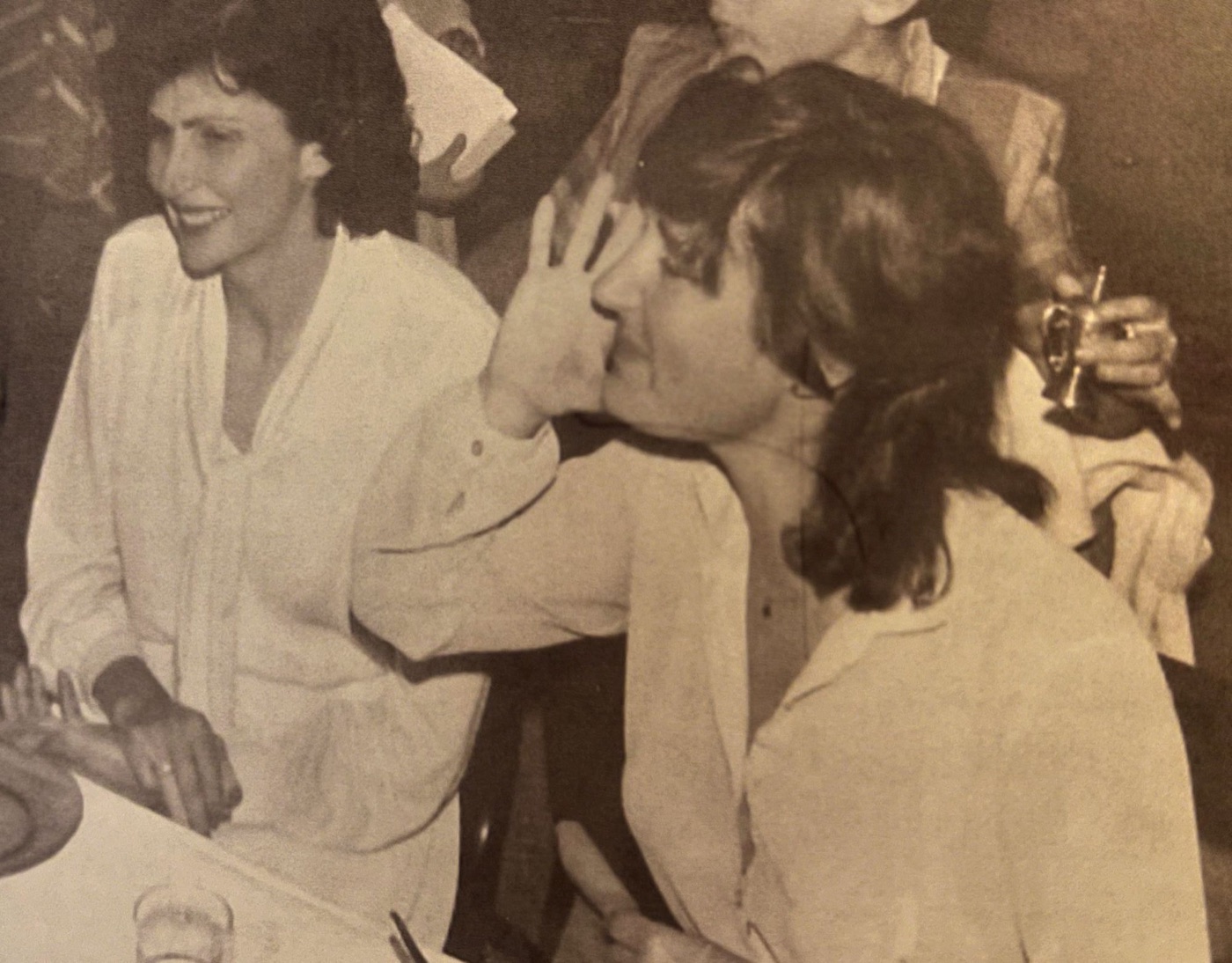
What she wrote about was one house. A Johannesburg house in Parkwood whose window frames dropped out at the first sign of a breeze; four children; a husband who could read the paper, listen to the radio and watch television at the same time; and more dogs than anyone had planned on. By the end of the run the house was in Cape Town and the column went with it.
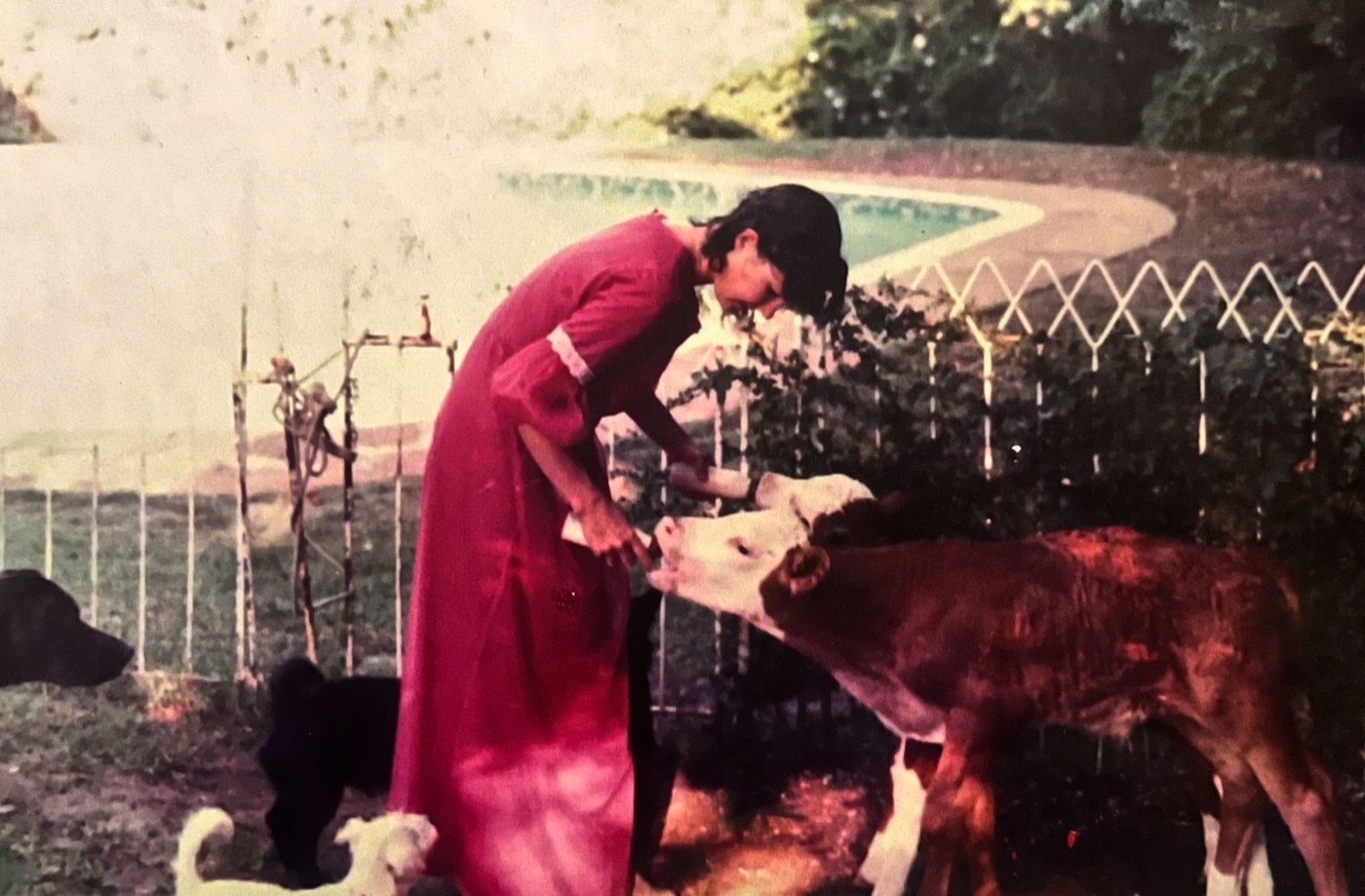
The same cast comes round Sunday by Sunday. Barry, Ralph, Jamie and Nicky, growing up a week at a time, until the eldest is suddenly a stranger in the lounge, tall and dark and wearing his father's cashmere. Liquorice the labrador, who ran off with the census forms and whose supper was once eaten by the head of the household. Candy the Maltese, far too tiny for six labrador puppies. Henry the Hog, sold as a Scottie and closer to a miniature warthog. Daisy the Land-Rover, bought the year the first son was born and sold fifteen years later to a man with not much money, a beard and dreams in his eyes. Three goldfish on the piano, named Botha, Mugabe and Golda Meir.
Carol is the one telling it and the one it happens to. Four and a half hours in a hairdresser's chair, to come out the colour of dirty rust. A week of lettuce leaves and grapefruit that ends at the dog's bowl. Twenty-five children at a tenth birthday picnic, a log in the rapids and 233 prickly pear thorns. A borrowed Lamborghini, taken out because she had been told at breakfast never to write about his snoring again. The joke is almost always at her own expense, and the last line is almost always someone else's.
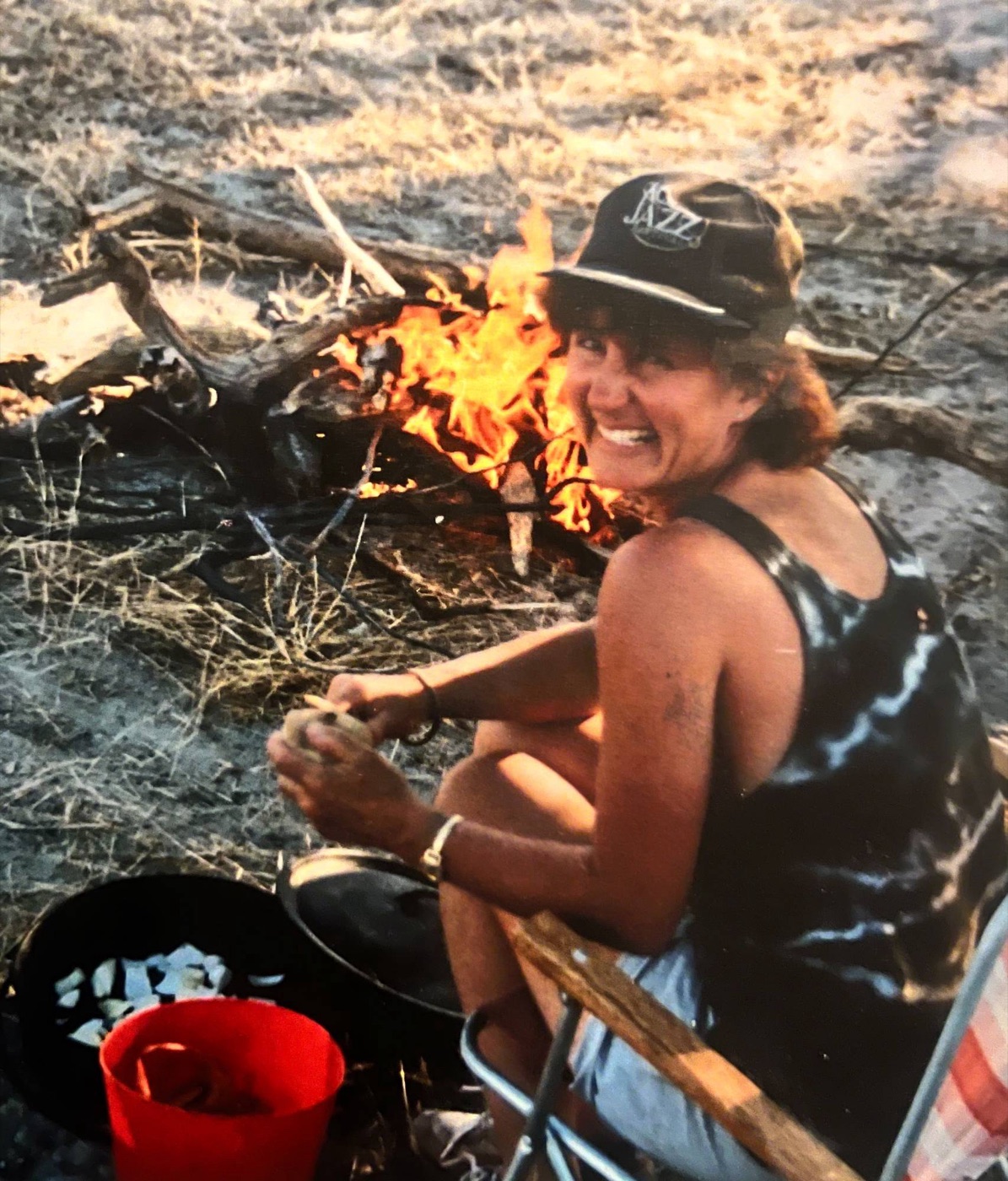
Carol Lazar began writing in an apartheid state and finished in a democracy, and the change arrives in the column the way everything else does: at the front door, in the queue, at somebody's supper table. In 1980 a small man comes dancing up the driveway in a sky-blue safari suit with his comb peeping from his sock, your friendly neighbourhood enumerator, and the form he hands over wants to know whether you are northern Sotho or southern Sotho. Twelve years later she is standing in the referendum queue with 2 799 804 other as-white-as-driven-snow South Africans, and the elderly couple in front of her, who had never felt it necessary to vote before, are explaining that a black president is better than a bunch of Nazis governing us. The whole queue cheers.
Carol is not writing about politics. She is writing about the people it is happening to, and she is on the side of whoever is standing in front of her. The man at the gate, the woman in the queue, the engineer who calls the president Nisson Mandra, Johanna Cupido at the kitchen table with a view on Jonah Lomu: they get the same attention and the same affection as her own family, and rather better lines. Carol Lazar had an ear for how people spoke and set it down as she heard it, which is why the census enumerator, the salon and the fishmonger all say Modom. Thirty years of it, and almost none of it unkind.
Most weeks the column ran with a drawing, and the drawing is half the joke. Dave Gaskill drew them for the Sunday Express, Dov Fedler later for The Sunday Star. The standing head over it was That’s life!, which it was.